
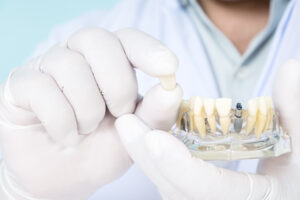
If you’re missing one or more teeth, you’ve probably heard that dental implants are one of the best ways to rebuild your smile. They look natural, feel secure, and can last for decades. But because getting implants involves oral surgery, it’s completely normal to wonder whether they’re safe. The short answer is yes. Here’s a closer look at why implants are considered such a reliable treatment option.
A Long, Proven Track Record
Modern dental implants aren’t new or experimental. They’ve been used successfully for well over 30 years, and they’ve been studied extensively the entire time. Most implants are made from titanium, a strong, lightweight metal that’s also used in joint replacements and other medical devices because the body accepts it so well. Over time, the jawbone actually fuses with the implant, creating a stable foundation that functions much like a natural tooth root.
Impressive Success Rates
Research continues to show that implants hold up remarkably well over time. Studies have found survival rates above 90% after 10 years, and a 2024 review of 20-year data found that most implants were still going strong two decades after placement. Few tooth replacement options can match that kind of longevity.
What Are the Risks?
Like any surgical procedure, implant placement does come with some potential risks, such as:
Infection at the implant site
Injury to nearby teeth or blood vessels
Nerve irritation that may cause numbness or tingling
Sinus problems with some implants in the upper jaw
The good news is that these complications are uncommon, and when they do happen, they’re usually minor and easy to treat. Careful planning with tools like 3D imaging helps your dental team map out the safest position for each implant before surgery ever begins.
How to Keep Your Risk Low
You play an important role in how well your implants heal and how long they last. A few factors can make a big difference:
Don’t smoke. Tobacco use slows healing and is one of the biggest risk factors for implant failure.
Manage your health. Conditions that affect healing, such as uncontrolled diabetes, should be well managed before and after treatment.
Practice good oral hygiene. Brush, floss, and keep up with regular checkups to prevent gum infections around your implants.
Choose an experienced provider. A thorough exam and a team trained in implant placement and restoration set you up for the best outcome.
If your jawbone has thinned after tooth loss, a bone graft may be recommended first to give your implant the strong support it needs.
The Bottom Line
Dental implants are one of the safest and most predictable ways to replace missing teeth. With proper planning and good at-home care, they can give you a healthy, confident smile for many years to come.
About the Practice
At Jacksonville Dental Specialists, board-certified prosthodontist Dr. Matthew Nawrocki and periodontists Dr. Richard Aguila and Dr. Rafael Pereira work together to plan, place, and restore dental implants all under one roof. If you’d like to learn whether implants are right for you, call (904) 683-4781 or contact us to schedule a consultation.X